Curt Rosengren, On Friday 8 April 2011, 3:10 SGT
I write frequently about how what's happening between your ears plays a big role in your career potential. A change in how you view the world--as a place of limits or a place of possibility--literally shrinks or expands the options available to you. And I don't mean that from a metaphysical "manifestation" perspective. I mean it from a common sense, logical perspective.
As humans, we are pattern-seeking creatures. It's what we do. Something happens, and our brain decides what box it fits in. When you see the world through a lens of lack and limit, that sets the pattern your brain is looking to match. So when negative things happen, it reinforces that worldview. And when positive things happen, they are both minimized in importance and truncated by waiting for the other shoe to drop. A perspective of possibility and potential, on the other hand, does the opposite.
All of that has an impact on what you'll be willing to try and how you will interpret whatever results you get. And what you are willing to try by definition defines what you have the potential to achieve.
If you want to craft and refine your outlook, a great place to start is by paying careful attention to the language you use. Is it limiting or expansive? Does it assume the best, or does it assume the worst? Often the language we use is habitual, a knee-jerk response.
Eliminate these four phrases from your career vocabulary, and you'll open doors for your future:
I can't
In a decade of my Passion Catalyst work, I have seen this assessment turn out to be wrong so many times. It might feel real, but often it's not. The reality is often something completely different. On closer examination, "I can't" frequently means things like, "I could, but I don't see all the options yet." Or "I could, but I'm not willing to do the hard work it would require." Or "I could, but not immediately."
They won't
Unless you happen to be a mind reader, steer clear of this one. You don't--and can't--know how other people are going to respond until they do. Need help from someone in your job search? Reach out and ask. You're guaranteed to not get it if you don't (in which case "they won't" is spot on). Want to collaborate with someone on a project? Again, don't assume you know the negative answer.
Even if you're right that "they won't" eight out of ten times, that still opens two doors that would otherwise have remained closed forever. Imagine the cumulative impact of that over the course of your career.
It's not possible
When I hear this, one of the things I often ask is, "Do you know that for certain? Can you prove it?" Often people just default to this without really thinking it through. "It's not possible" often winds up being, "It's possible, but it would take a lot of effort," or, "It's not possible in my current scenario, but if I make these changes it could actually be possible."
A good question to ask if this phrase comes up for you is, "What if I HAD to make it happen? How could I?" Stretch your creative problem-solving.
I have to
People have so many ingrained rules about what they have to do, and often they're little more than unquestioned assumptions installed by other people (parents, teachers, past bosses, etc.). If you find yourself operating according to a set of have-to expectations, ask yourself, "Do I really? Why? What if I didn't?"
Now, of course all of these are going to be accurate on occasion. There will be times when you really can't do something. And there will be times when, yes, you really do have to do something. But there will also be times when these assumptions simply aren't accurate.
If you take yourself off autopilot by questioning your assumptions when these phrases come up, you'll open the door to possibility and potential. And step-by-step, you'll leave that knee-jerk perspective of limits and lack behind.
After years as a professional malcontent, Curt Rosengren discovered the power of passion. As speaker, author, and coach, Rosengren helps people create careers that energize and inspire them. His book, 101 Ways to Get Wild About, and his E-book, The Occupational Adventure Guide, offer people tools for turning dreams into reality.
Showing posts with label Self improvement/Career. Show all posts
Showing posts with label Self improvement/Career. Show all posts
Tuesday, April 12, 2011


Monday, April 04, 2011
10 Signs It's Time To Quit Your Job
Chances are if you are lucky enough to have a job, the thought of quitting sounds ridiculous. With the unemployment rate at an all time high, most people are thanking their lucky stars to be employed.
But even in a bad economy some jobs are just not worth it. Are there any telltale signs you should be looking for when trying to decide if you throw in the towel? Here are ten signs to look for to determine if it's time to find a new job:
You Aren't Learning Anything New
Yes, you want to know how to do most of your job. But there are also things you want to be learning; otherwise you are not growing professionally. If you have stopped learning at work, it's time to find a job where you will learn new skills and grow professionally.
You Never Have a Day When You Wake Up Excited To Go To Work
If you wake up every morning Monday through Friday and never feel excited to go to work, that is a problem. It means you aren't enjoying your job and it is diminishing your quality of life. If you wake up every day and dread going to work, it's time to consider quitting your job.
You Spend More Time Surfing the Web Than Doing Your Job
When you are at work, you are supposed to be productive. Otherwise, it's a waste of your time and the company's money. If you are bored and surfing the web most of your work day, you may want to think about looking into job options where you'll get more stimulation and responsibilities.
You Don't Like Most of Your Coworkers
There are always one or two coworkers in the office that most people can't stand. But if you don't like most of your coworkers, chances are your days aren't very enjoyable because you have to work with them day in and day out. If you can't stand most of your coworkers, it's time to think about finding a company whose employees you mesh with better.
You Aren't Making Enough Money to Pay Your Bills
If you are working your butt off and not getting paid enough to pay your bills, you might be overqualified and underpaid for your position. Go find a job that pays what you deserve.
You Spend Time Looking For Other Jobs
If you are spending time looking for other jobs while you are on the clock, it's obvious you want to leave your job. So keep looking for new jobs and as soon as you find a good one, take it and run.
You Haven't Gotten a Raise in the Last Two Years
If you work hard and benefit the company you work for, you deserve to be rewarded for that. If your boss hasn't given you a raise in the last two years, ask for one. If he or she says no, get out now.
Your Boss Sucks
Sometimes bosses suck. But if your boss sucks all the time and takes advantage of your time, it's time to find a new job.
The Company Isn't Doing Well
This sign varies from company to company. You must keep in mind that we are in a recession and if sales are down but the company isn't in jeopardy, this sign may not apply to you. However, if business is down to the point where it looks like the company is going to go under, start looking for a new job NOW!
You are Stressed All the Time
You are supposed to enjoy life, not be stressed out all the time. If you spend most of your days stressed about everything that going on at work, you are not at the right job.
Know any other signs that you should quit your job that weren't listed above?
Ashley Jacobs is the college correspondent for personal finance blog Wise Bread.
But even in a bad economy some jobs are just not worth it. Are there any telltale signs you should be looking for when trying to decide if you throw in the towel? Here are ten signs to look for to determine if it's time to find a new job:
You Aren't Learning Anything New
Yes, you want to know how to do most of your job. But there are also things you want to be learning; otherwise you are not growing professionally. If you have stopped learning at work, it's time to find a job where you will learn new skills and grow professionally.
You Never Have a Day When You Wake Up Excited To Go To Work
If you wake up every morning Monday through Friday and never feel excited to go to work, that is a problem. It means you aren't enjoying your job and it is diminishing your quality of life. If you wake up every day and dread going to work, it's time to consider quitting your job.
You Spend More Time Surfing the Web Than Doing Your Job
When you are at work, you are supposed to be productive. Otherwise, it's a waste of your time and the company's money. If you are bored and surfing the web most of your work day, you may want to think about looking into job options where you'll get more stimulation and responsibilities.
You Don't Like Most of Your Coworkers
There are always one or two coworkers in the office that most people can't stand. But if you don't like most of your coworkers, chances are your days aren't very enjoyable because you have to work with them day in and day out. If you can't stand most of your coworkers, it's time to think about finding a company whose employees you mesh with better.
You Aren't Making Enough Money to Pay Your Bills
If you are working your butt off and not getting paid enough to pay your bills, you might be overqualified and underpaid for your position. Go find a job that pays what you deserve.
You Spend Time Looking For Other Jobs
If you are spending time looking for other jobs while you are on the clock, it's obvious you want to leave your job. So keep looking for new jobs and as soon as you find a good one, take it and run.
You Haven't Gotten a Raise in the Last Two Years
If you work hard and benefit the company you work for, you deserve to be rewarded for that. If your boss hasn't given you a raise in the last two years, ask for one. If he or she says no, get out now.
Your Boss Sucks
Sometimes bosses suck. But if your boss sucks all the time and takes advantage of your time, it's time to find a new job.
The Company Isn't Doing Well
This sign varies from company to company. You must keep in mind that we are in a recession and if sales are down but the company isn't in jeopardy, this sign may not apply to you. However, if business is down to the point where it looks like the company is going to go under, start looking for a new job NOW!
You are Stressed All the Time
You are supposed to enjoy life, not be stressed out all the time. If you spend most of your days stressed about everything that going on at work, you are not at the right job.
Know any other signs that you should quit your job that weren't listed above?
Ashley Jacobs is the college correspondent for personal finance blog Wise Bread.
Tuesday, March 01, 2011
Most Annoying Coworkers
Quite sometimes I didn't update this blog. For a start, I want to share this quote "In life, when you encounter mean and hurtful people, treat them like sandpaper. No matter how rough they may scrub you, you end up polished and smooth... :)".. well said..
So many things happened but no matter how bad it is.. life has to go on..
Just want to share this article with you all..
by Maui R. Drilon for Yahoo! Singapore
Co-workers are kind of like lovers-you can't live with them, but you can't live without them. They might be, in your eyes, unique-no other office could possibly have a brown-noser as bad as Walter, or an office gossip as horrible as that girl from Finance. Here's some news: EVERY office has them, and they only change in shape, size, and gender.
See which of these people clock in 8 hours with you everyday.
The Whiner
Absolutely NOTHING goes well for this person. If she gets a raise, it's too low. If she's given more vacation leaves, she stresses that she could use more. If given a promotion, she'll spend the next week drowning herself in cocktails, lamenting over all the extra responsibilities she suddenly has. The Whiner also doesn't care whether or not you want to hear about her stoooopid client meeting.
The Oxygen Sucker
Think of it this way: if your office were made up of 21 people, and your company were in a spaceship and you had oxygen good enough for only 20, you would not have second thoughts about kicking him off the ship. What makes him such an oxygen sucker? First off, despite him being in the company years before you, he still really sucks at his job. That, or he doesn't really do his job. Most of his time is spent watching episodes of RuPaul's "Drag Race" on Youtube, and updating his status message on Facebook ("Bench-pressed twice my weight at the gym!"). Seriously, this guy gets paid?
The Floater
If the aforementioned space ship's oxygen tank runs even lower, this is the next guy you'll chuck out the door. Like the Oxygen Sucker, The Floater pretty much gets paid to do-wait, what does he really do?! You see The Floater chatting with co-workers by the water cooler, mixing himself some coffee in the pantry, and he's always present at every meeting. But no one really knows what he's meant to do, what his position is, and why on earth he's still employed in your company!
The Brown-Noser
No one likes a brown-noser...unless it's your ass being kissed. Brown Nosers can be found on both the bottom and the top of the company ladder (how else did they get up there in the first place?)...but nothing sucks more than the Brown Nosers at the top. Bottom feeders can easily be bullied or called out on.
The Procrastinator
She may have been the world's best procrastinator in college who always managed to submit her term papers on time. But when your ass is on the line, last-minute cramming just won't do. Nothing sucks more than having to clock in overtime hours for the nth time this week because she didn't do her part of the job. Makes you wonder if she could pass off as an Oxygen Sucker as well...
The Geriatric
He's seen it all, he knows it all. Of course he does-he was probably working in the company even before you were conceived. Even though half the company complains about how The Geriatric is so not up to date with today's methods and techniques ("I need some more Snowpake,") he's kept around because of that dreaded word: tenure. You're convinced he gets paid ten times your salary to be a living relic of your company.
All Talk, No Action
Putting the word "politics" in "office politics", the All Talk, No Action (let's call him ATNA) guy loves to talk about things like "the future", but never really delivers. Expect a lot of words such as "moving forward", "profits", and "company morale" when this guy opens his mouth. But really, he just likes the sound of his own voice. The ATNA loves to call meetings that don't amount to anything, therefore wasting everyone's time. It's like having to watch the movie "Gigli" every week, only you're paid to do so, so you can't really complain.
The Office Gossip
She's not really that annoying, unless the story she's spinning is about you. What sucks about the Office Gossip is you don't know just how buddy-buddy you should get with her. Be aloof and you won't be in the loop with the latest goss...get too close, and she'd know all your dirty little secrets (which make for perfect blackmail material).
So many things happened but no matter how bad it is.. life has to go on..
Just want to share this article with you all..
by Maui R. Drilon for Yahoo! Singapore
Co-workers are kind of like lovers-you can't live with them, but you can't live without them. They might be, in your eyes, unique-no other office could possibly have a brown-noser as bad as Walter, or an office gossip as horrible as that girl from Finance. Here's some news: EVERY office has them, and they only change in shape, size, and gender.
See which of these people clock in 8 hours with you everyday.
The Whiner
Absolutely NOTHING goes well for this person. If she gets a raise, it's too low. If she's given more vacation leaves, she stresses that she could use more. If given a promotion, she'll spend the next week drowning herself in cocktails, lamenting over all the extra responsibilities she suddenly has. The Whiner also doesn't care whether or not you want to hear about her stoooopid client meeting.
The Oxygen Sucker
Think of it this way: if your office were made up of 21 people, and your company were in a spaceship and you had oxygen good enough for only 20, you would not have second thoughts about kicking him off the ship. What makes him such an oxygen sucker? First off, despite him being in the company years before you, he still really sucks at his job. That, or he doesn't really do his job. Most of his time is spent watching episodes of RuPaul's "Drag Race" on Youtube, and updating his status message on Facebook ("Bench-pressed twice my weight at the gym!"). Seriously, this guy gets paid?
The Floater
If the aforementioned space ship's oxygen tank runs even lower, this is the next guy you'll chuck out the door. Like the Oxygen Sucker, The Floater pretty much gets paid to do-wait, what does he really do?! You see The Floater chatting with co-workers by the water cooler, mixing himself some coffee in the pantry, and he's always present at every meeting. But no one really knows what he's meant to do, what his position is, and why on earth he's still employed in your company!
The Brown-Noser
No one likes a brown-noser...unless it's your ass being kissed. Brown Nosers can be found on both the bottom and the top of the company ladder (how else did they get up there in the first place?)...but nothing sucks more than the Brown Nosers at the top. Bottom feeders can easily be bullied or called out on.
The Procrastinator
She may have been the world's best procrastinator in college who always managed to submit her term papers on time. But when your ass is on the line, last-minute cramming just won't do. Nothing sucks more than having to clock in overtime hours for the nth time this week because she didn't do her part of the job. Makes you wonder if she could pass off as an Oxygen Sucker as well...
The Geriatric
He's seen it all, he knows it all. Of course he does-he was probably working in the company even before you were conceived. Even though half the company complains about how The Geriatric is so not up to date with today's methods and techniques ("I need some more Snowpake,") he's kept around because of that dreaded word: tenure. You're convinced he gets paid ten times your salary to be a living relic of your company.
All Talk, No Action
Putting the word "politics" in "office politics", the All Talk, No Action (let's call him ATNA) guy loves to talk about things like "the future", but never really delivers. Expect a lot of words such as "moving forward", "profits", and "company morale" when this guy opens his mouth. But really, he just likes the sound of his own voice. The ATNA loves to call meetings that don't amount to anything, therefore wasting everyone's time. It's like having to watch the movie "Gigli" every week, only you're paid to do so, so you can't really complain.
The Office Gossip
She's not really that annoying, unless the story she's spinning is about you. What sucks about the Office Gossip is you don't know just how buddy-buddy you should get with her. Be aloof and you won't be in the loop with the latest goss...get too close, and she'd know all your dirty little secrets (which make for perfect blackmail material).
Monday, January 31, 2011
Nonverbal Communications: Escape the Pitfalls
Since new year, I keep on posting the articles about the job interview, job change, character of the boss.. bla.. bla bla.. actually, these reading articles are for me.. coz I'm thinking of changing my work.. I don't want to miss reading the articles.. that's why I posted it here.. I really hope by sharing all these articles it will help other people in the need also.. :D
It begins even before you say your first word in an interview. As the interviewer walks toward you to shake hands, an opinion is already being formed. And as you sit waiting to spew out your answers to questions you've prepared for, you are already being judged by your appearance, posture, smile or your nervous look.
Look back at speakers or teachers you've listened to. Which ones stand out as memorable? The ones who were more animated and entertaining, or the ones who just gave out information? This is not to say you have to entertain the interviewer -- no jokes required -- but it does mean the conversation should be animated and interactive. If you say you are excited about the prospect of working for this company but don't show any enthusiasm, your message will probably fall flat. So smile, gesture once in a while, show some energy and breathe life into the interview experience.
And don't underestimate the value of a smile. In addition to the enthusiasm it expresses to the interviewer, smiling often makes you feel better about yourself.
Nonverbal Messages:
The Handshake: It's your first encounter with the interviewer. She holds out her hand and receives a limp, damp hand in return -- not a very good beginning. Your handshake should be firm -- not bone-crushing -- and your hand should be dry and warm. Try running cold water on your hands when you first arrive at the interview site. Run warm water if your hands tend to be cold. The insides of your wrists are especially sensitive to temperature control.
Your Posture: Stand and sit erect. We're not talking ramrod posture, but show some energy and enthusiasm. A slouching posture looks tired and uncaring. Check yourself out in a mirror or on videotape.
Eye Contact: Look the interviewer in the eye. You don't want to stare at her like you're trying to look into her soul, but be sure to make sure your eyes meet frequently. Avoid constantly looking around the room while you are talking, because that can convey nervousness or a lack of confidence with what is being discussed.
Don't Fidget: There is nothing worse than people playing with their hair, clicking pen tops, tapping feet or unconsciously touching parts of the body.
Preparing what you have to say is important, but practicing how you will say it is imperative. The nonverbal message can speak louder than the verbal message you're sending.
It begins even before you say your first word in an interview. As the interviewer walks toward you to shake hands, an opinion is already being formed. And as you sit waiting to spew out your answers to questions you've prepared for, you are already being judged by your appearance, posture, smile or your nervous look.
Look back at speakers or teachers you've listened to. Which ones stand out as memorable? The ones who were more animated and entertaining, or the ones who just gave out information? This is not to say you have to entertain the interviewer -- no jokes required -- but it does mean the conversation should be animated and interactive. If you say you are excited about the prospect of working for this company but don't show any enthusiasm, your message will probably fall flat. So smile, gesture once in a while, show some energy and breathe life into the interview experience.
And don't underestimate the value of a smile. In addition to the enthusiasm it expresses to the interviewer, smiling often makes you feel better about yourself.
Nonverbal Messages:
The Handshake: It's your first encounter with the interviewer. She holds out her hand and receives a limp, damp hand in return -- not a very good beginning. Your handshake should be firm -- not bone-crushing -- and your hand should be dry and warm. Try running cold water on your hands when you first arrive at the interview site. Run warm water if your hands tend to be cold. The insides of your wrists are especially sensitive to temperature control.
Your Posture: Stand and sit erect. We're not talking ramrod posture, but show some energy and enthusiasm. A slouching posture looks tired and uncaring. Check yourself out in a mirror or on videotape.
Eye Contact: Look the interviewer in the eye. You don't want to stare at her like you're trying to look into her soul, but be sure to make sure your eyes meet frequently. Avoid constantly looking around the room while you are talking, because that can convey nervousness or a lack of confidence with what is being discussed.
Don't Fidget: There is nothing worse than people playing with their hair, clicking pen tops, tapping feet or unconsciously touching parts of the body.
Preparing what you have to say is important, but practicing how you will say it is imperative. The nonverbal message can speak louder than the verbal message you're sending.
Friday, January 28, 2011
The 10 Worst Mistakes Career Changers Make
Changing careers is never easy. Half the world thinks you've lost your mind, headhunters say you'll never work again and your mother-in-law steps up the old, "I told you so" routine. But for many burned-out, bored or multitalented folks who are sitting on skills they're not getting a chance to use, changing fields is the only way to keep from losing their marbles.
Regardless of your career change strategy, never make these 10 mistakes
1. Don't look for a job in another field without some intense introspection.
Nothing is worse than leaping before you look. Make sure you're not escaping to a field that fits you just as poorly as your last. Check out these self-assessment articles.
Get thorough information about the fields you're considering by networking, reading and doing online research. Having informational interviews with alumni from your college, colleagues, friends or family is a fun way to get the scoop on different fields.
2. Don't look for "hot" fields unless they're a good fit for you.
You wouldn't try to squeeze into your skinny cousin's suit, so why try a field because it works for him? People who are trying to help you will come along and do the equivalent of whispering "plastics" in your ear. Instead of jumping at their suggestions, take time to consider your options. Decide what you really want to do. When you enter a field just because it's hot, burnout isn't far behind.
3. Don't go into a field because your friend is doing well in it.
Get thorough information about the fields you're considering by networking, reading and doing online research. Having informational interviews with alumni from your college, colleagues, friends or family is a fun way to get the scoop on different fields.
4. Don't stick to possibilities you already know about.
Stretch your perception of what might work for you. Read some job profiles and explore career fields you learn about from self-assessment exercises.
5. Don't let money be the deciding factor.
There's not enough money in the world to make you happy if your job doesn't suit you. Workplace dissatisfaction and stress is the number-one health problem for working adults. This is particularly true for career changers, who often earn less until they get their sea legs in a different field.
6. Don't keep your dissatisfaction to yourself or try to make the switch alone.
This is the time to talk to people (probably not your boss just yet). Friends, family and colleagues need to know what's going on so they can help you tap into those 90-plus percent of jobs that aren't advertised until somebody has them all sewn up.
7. Don't go back to school to get retreaded unless you've done some test drives in the new field.
You're never too old for an internship, a volunteer experience or trying your hand at a contract assignment in a new field. There are lots of ways to get experience that won't cost you anything except your time. A new degree may or may not make the world sit up and take notice. Be very sure where you want to go before you put yourself through the pain and debt of another degree program.
8. Be careful when using placement agencies or search firms.
Do some research to be sure to find a good match. Ask those who work in the field you're trying to get into or other successful career changers for suggestions. Try to find a firm that knows how to be creative when placing career changers -- not one that solely focuses on moving people up the ladder in the same field.
9. Don't go to a career counsellor or a career transitions agency expecting they can tell you which field to enter.
Career advisors are facilitators, and they'll follow your lead. They can help ferret out your long-buried dreams and talents, but you'll have to do the research and the decision making by yourself. Anyone who promises to tell you what to do is dangerous.
10. Don't expect to switch overnight.
A thorough career change usually will take a minimum of six months to pull off, and the time frequently stretches to a year or more. Changing fields is one of the most invigorating things you can do. It's like experiencing youth all over again, except with the wisdom of whatever age you are now.
Regardless of your career change strategy, never make these 10 mistakes
1. Don't look for a job in another field without some intense introspection.
Nothing is worse than leaping before you look. Make sure you're not escaping to a field that fits you just as poorly as your last. Check out these self-assessment articles.
Get thorough information about the fields you're considering by networking, reading and doing online research. Having informational interviews with alumni from your college, colleagues, friends or family is a fun way to get the scoop on different fields.
2. Don't look for "hot" fields unless they're a good fit for you.
You wouldn't try to squeeze into your skinny cousin's suit, so why try a field because it works for him? People who are trying to help you will come along and do the equivalent of whispering "plastics" in your ear. Instead of jumping at their suggestions, take time to consider your options. Decide what you really want to do. When you enter a field just because it's hot, burnout isn't far behind.
3. Don't go into a field because your friend is doing well in it.
Get thorough information about the fields you're considering by networking, reading and doing online research. Having informational interviews with alumni from your college, colleagues, friends or family is a fun way to get the scoop on different fields.
4. Don't stick to possibilities you already know about.
Stretch your perception of what might work for you. Read some job profiles and explore career fields you learn about from self-assessment exercises.
5. Don't let money be the deciding factor.
There's not enough money in the world to make you happy if your job doesn't suit you. Workplace dissatisfaction and stress is the number-one health problem for working adults. This is particularly true for career changers, who often earn less until they get their sea legs in a different field.
6. Don't keep your dissatisfaction to yourself or try to make the switch alone.
This is the time to talk to people (probably not your boss just yet). Friends, family and colleagues need to know what's going on so they can help you tap into those 90-plus percent of jobs that aren't advertised until somebody has them all sewn up.
7. Don't go back to school to get retreaded unless you've done some test drives in the new field.
You're never too old for an internship, a volunteer experience or trying your hand at a contract assignment in a new field. There are lots of ways to get experience that won't cost you anything except your time. A new degree may or may not make the world sit up and take notice. Be very sure where you want to go before you put yourself through the pain and debt of another degree program.
8. Be careful when using placement agencies or search firms.
Do some research to be sure to find a good match. Ask those who work in the field you're trying to get into or other successful career changers for suggestions. Try to find a firm that knows how to be creative when placing career changers -- not one that solely focuses on moving people up the ladder in the same field.
9. Don't go to a career counsellor or a career transitions agency expecting they can tell you which field to enter.
Career advisors are facilitators, and they'll follow your lead. They can help ferret out your long-buried dreams and talents, but you'll have to do the research and the decision making by yourself. Anyone who promises to tell you what to do is dangerous.
10. Don't expect to switch overnight.
A thorough career change usually will take a minimum of six months to pull off, and the time frequently stretches to a year or more. Changing fields is one of the most invigorating things you can do. It's like experiencing youth all over again, except with the wisdom of whatever age you are now.
Wednesday, January 26, 2011
How to Work with a Bad Boss
At some point in our careers, we all face having to work for a bad boss.
Unfortunately, just because we think they're bad doesn't mean everyone else does. No matter how much they frustrate us, bad bosses don't always get called out and replacing them can be difficult. That means it's important to learn how to work for them.
Here are six types of bad bosses and tips for working with them:
The Unorganized Boss:This boss can't keep data and information flow straight, much less organize the people who come up with that data. This means you'll have to manage the flow--or at least the part of the flow that applies to you. Consider keeping e-mail strings, documenting notes from meetings, and being ready to take on extra administration responsibilities to help things move smoothly.
The Lying Boss: We assume leaders are honest by virtue of their role, but this isn't always true. A lying boss is frustrating and may put you in an awkward position. Always take the high road, reminding him what he said in previous conversations. For difficult situations, bring a colleague to the meeting so you aren't the only one hearing and substantiating what's said.
The Career-Ambitious Boss: Ambition isn't usually a negative, but it can go sour if your boss ends up taking all the credit when things are go well and pointing fingers when they don't. The best news if you work for this type of person is they won't be around long. If they're successful, they'll quickly move up and on. If they aren't, they'll go someplace else. In the meantime, the better you can make this boss look, the happier she'll be. And who knows, you might be a beneficiary of her promotion.
The Always-Late Boss: This boss is never on time for meetings, which wastes your time and can even make you look bad. This isn't likely to change, so learn to cope by setting work aside or bringing it with you so you'll always have something productive to do while you're waiting. If your boss is late for meetings with others, go ahead and have a mini-meeting before your boss arrives and try to cover the agenda items your boss doesn't need to be there for anyway.
The Last-Minute Boss: This boss just can't get around to assigning work until the last minute, usually the night before the project is due or on Friday afternoons before long weekends. Take control of this situation by constantly asking what's coming up and showing the initiative that demonstrates you want to get ahead. You might also want to be flexible during the times when you think a project might come your way.
The No-Bad-News Boss: On the surface, having a boss who's always positive looks like a good thing, but you need the bad news with the good if you want to improve. Plus, if you don't get any of the bad news, you can't put in context what is good. With this boss, it's important to ask them to share both good and bad news, and make those situations comfortable for them. Be sure to ask how you can improve and better support the business.
Unfortunately, this isn't an exhaustive list of bad boss behaviors; a boss can be difficult to work with beyond what we've described. But unless you're this boss's only direct report, know you're not alone. Look to other colleagues who report to this boss for emotional and career support. And who knows, with a little group support and intervention, the bad boss might become a good one.
Rusty Rueff, director and career expert for jobs and career website Glassdoor.com has been a CEO, led HR in global companies and is co-author of Talent Force: A New Manifesto for the Human Side of Business.
Unfortunately, just because we think they're bad doesn't mean everyone else does. No matter how much they frustrate us, bad bosses don't always get called out and replacing them can be difficult. That means it's important to learn how to work for them.
Here are six types of bad bosses and tips for working with them:
The Unorganized Boss:This boss can't keep data and information flow straight, much less organize the people who come up with that data. This means you'll have to manage the flow--or at least the part of the flow that applies to you. Consider keeping e-mail strings, documenting notes from meetings, and being ready to take on extra administration responsibilities to help things move smoothly.
The Lying Boss: We assume leaders are honest by virtue of their role, but this isn't always true. A lying boss is frustrating and may put you in an awkward position. Always take the high road, reminding him what he said in previous conversations. For difficult situations, bring a colleague to the meeting so you aren't the only one hearing and substantiating what's said.
The Career-Ambitious Boss: Ambition isn't usually a negative, but it can go sour if your boss ends up taking all the credit when things are go well and pointing fingers when they don't. The best news if you work for this type of person is they won't be around long. If they're successful, they'll quickly move up and on. If they aren't, they'll go someplace else. In the meantime, the better you can make this boss look, the happier she'll be. And who knows, you might be a beneficiary of her promotion.
The Always-Late Boss: This boss is never on time for meetings, which wastes your time and can even make you look bad. This isn't likely to change, so learn to cope by setting work aside or bringing it with you so you'll always have something productive to do while you're waiting. If your boss is late for meetings with others, go ahead and have a mini-meeting before your boss arrives and try to cover the agenda items your boss doesn't need to be there for anyway.
The Last-Minute Boss: This boss just can't get around to assigning work until the last minute, usually the night before the project is due or on Friday afternoons before long weekends. Take control of this situation by constantly asking what's coming up and showing the initiative that demonstrates you want to get ahead. You might also want to be flexible during the times when you think a project might come your way.
The No-Bad-News Boss: On the surface, having a boss who's always positive looks like a good thing, but you need the bad news with the good if you want to improve. Plus, if you don't get any of the bad news, you can't put in context what is good. With this boss, it's important to ask them to share both good and bad news, and make those situations comfortable for them. Be sure to ask how you can improve and better support the business.
Unfortunately, this isn't an exhaustive list of bad boss behaviors; a boss can be difficult to work with beyond what we've described. But unless you're this boss's only direct report, know you're not alone. Look to other colleagues who report to this boss for emotional and career support. And who knows, with a little group support and intervention, the bad boss might become a good one.
Rusty Rueff, director and career expert for jobs and career website Glassdoor.com has been a CEO, led HR in global companies and is co-author of Talent Force: A New Manifesto for the Human Side of Business.
Tuesday, January 25, 2011
Preparing for Your Next Career Move
The best time to think about a career change is before you think you need it. If you're presented with a job opportunity or forced into making a career decision unexpectedly, and you haven't prepared, you run the risk of making the wrong decision. Especially in this employment market, it's vitally important to make sure your career choices match your future goals, and that you're moving in the right professional direction.
Just like an attorney takes the time to prepare and present a case in a courtroom, you need to build a case for your next career move. If you start preparing now, you're more likely to give this next move the dedicated thinking time it deserves.
No matter where you are in your career, here's what you should think about to prepare for that next big decision:
What do I really want to do?
Until you can answer this question unashamedly, unabashedly, and with full resolution and commitment, you should be careful about making any drastic career moves. To help figure out what you want to do, make a list of your best life and work experiences and look for a pattern that syncs with your dream career. (Hint: You can also ask those closest to you to help truthfully recap experiences that have made you happiest.)
Who do I want to do it with?
Think about the type of company culture and people you want to work with day-to-day. (Hint: These might be people who you do, or could readily, call friends.) A great job working with people you don't identify with can turn out to be a miserable job.
Where do I want to do it?
Location is important. Consider distance from home, commuting time, friend and family connections, and even weather. It does matter where you work because you (and your family) have to be happy when you come home. (Hint: If you feel ready for a change of location and scenery, be sure to factor in the financial and emotional costs of relocating. Relocations remain one of the most stressful changes that can happen in our careers.)
How much do I need to do it?
Research how much you are worth in the market where the job is located and what your salary and compensation package should be in relation to your peers. If you don't know what you are worth, then you could end up missing opportunities, or worse yet, make a move and then question why you didn't do your homework. (Hint: Use websites like Glassdoor.com to establish what your peers are making and see what a company and its competitors pay for a specific job position.)
If you've built your case and can answer all of these questions without hesitation, you'll be ready when the next job opportunity beckons, even if you aren't expecting it.
Rusty Rueff, director and career expert for jobs and career website Glassdoor.com has been a CEO, led HR in global companies and is co-author of Talent Force: A New Manifesto for the Human Side of Business.
Just like an attorney takes the time to prepare and present a case in a courtroom, you need to build a case for your next career move. If you start preparing now, you're more likely to give this next move the dedicated thinking time it deserves.
No matter where you are in your career, here's what you should think about to prepare for that next big decision:
What do I really want to do?
Until you can answer this question unashamedly, unabashedly, and with full resolution and commitment, you should be careful about making any drastic career moves. To help figure out what you want to do, make a list of your best life and work experiences and look for a pattern that syncs with your dream career. (Hint: You can also ask those closest to you to help truthfully recap experiences that have made you happiest.)
Who do I want to do it with?
Think about the type of company culture and people you want to work with day-to-day. (Hint: These might be people who you do, or could readily, call friends.) A great job working with people you don't identify with can turn out to be a miserable job.
Where do I want to do it?
Location is important. Consider distance from home, commuting time, friend and family connections, and even weather. It does matter where you work because you (and your family) have to be happy when you come home. (Hint: If you feel ready for a change of location and scenery, be sure to factor in the financial and emotional costs of relocating. Relocations remain one of the most stressful changes that can happen in our careers.)
How much do I need to do it?
Research how much you are worth in the market where the job is located and what your salary and compensation package should be in relation to your peers. If you don't know what you are worth, then you could end up missing opportunities, or worse yet, make a move and then question why you didn't do your homework. (Hint: Use websites like Glassdoor.com to establish what your peers are making and see what a company and its competitors pay for a specific job position.)
If you've built your case and can answer all of these questions without hesitation, you'll be ready when the next job opportunity beckons, even if you aren't expecting it.
Rusty Rueff, director and career expert for jobs and career website Glassdoor.com has been a CEO, led HR in global companies and is co-author of Talent Force: A New Manifesto for the Human Side of Business.
Sunday, January 09, 2011
What to Consider Before Accepting a Job Offer
In your excitement over receiving a job offer, don’t forget to evaluate the opportunity with a critical eye.
In this economy, it’s easy to feel like you should jump at any job offer that comes along. But that could land you in a job that makes you miserable or even harms you professionally, so be sure to think it through before accepting.
Here are eight things to do and think about before accepting a job offer:
1. Always get every detail of a job offer in writing. Especially if the offer includes extras like relocation assistance or your new employer’s agreement to give you an additional week of vacation. That covers you in case there’s a misunderstanding later. It also guarantees the agreement will stick even if the person you’re dealing with leaves the company and her replacement doesn’t know anything about the special deal you negotiated.
2. Ask any outstanding questions. Do you have a good grasp on the manager’s style, the culture, and exactly what you’ll be expected to achieve? If not, now is the time to ask.
3. Evaluate the salary. You likely have a salary range in mind, one that’s reasonable and that you’re willing to accept. If the offer is below this range, now is the time to negotiate a higher salary. Make sure you base any negotiation on your research about market rates for this type of job, for someone with your skill set and background in your geographic area—and not on an arbitrary number that you’d just “like to get.”
4. Evaluate the benefits, too. A great benefits package can make up for a lower salary, especially if you’re saving money on health care, allowed to work a flexible schedule, or getting more vacation time than you’d anticipated.
5. Consider the workplace culture. If the office is formal and you go crazy in an uptight environment, or if it’s an aggressive, competitive environment and you’re more low-key, this might not be a comfortable fit for you. You’ll spend a large portion of your waking life at this job, so be honest with yourself about how happy you’ll be there.
6. Look at the big picture. How will this job fit in with your overall career path? Will it move you forward on the path of your choosing, or take you on a detour you might rather avoid? Even if it’s not the path you expected to take, might this job become a stepping stone to a position that excites you? What will be your next logical step when it’s time to leave this job?
7. Listen to your gut. Unless your gut has a history of overreacting, you should listen if it sets off alarm bells. If something doesn’t feel right, whether it’s your interactions with your would-be boss or details about your daily responsibilities, pay attention.
8. Ask for time to think it over. This is especially important if you're not 100 percent sure you want to take the job. A reasonable employer should give you at least a few days to reflect before you make a decision. Tell the boss the time will go toward making certain this job is the right choice for you, not that you're waiting to see whether another offer might come through; the latter could signal you’re not that enthusiastic about the role.
Alison Green writes the popular Ask a Manager blog where she dispenses advice on career, job search, and management issues. She's also the author of Managing to Change the World: The Nonprofit Leader's Guide to Getting Results and former chief of staff of a successful nonprofit organization, where she oversaw day-to-day staff management, hiring, firing, and employee development. She now teaches other managers how to manage for results.
In this economy, it’s easy to feel like you should jump at any job offer that comes along. But that could land you in a job that makes you miserable or even harms you professionally, so be sure to think it through before accepting.
Here are eight things to do and think about before accepting a job offer:
1. Always get every detail of a job offer in writing. Especially if the offer includes extras like relocation assistance or your new employer’s agreement to give you an additional week of vacation. That covers you in case there’s a misunderstanding later. It also guarantees the agreement will stick even if the person you’re dealing with leaves the company and her replacement doesn’t know anything about the special deal you negotiated.
2. Ask any outstanding questions. Do you have a good grasp on the manager’s style, the culture, and exactly what you’ll be expected to achieve? If not, now is the time to ask.
3. Evaluate the salary. You likely have a salary range in mind, one that’s reasonable and that you’re willing to accept. If the offer is below this range, now is the time to negotiate a higher salary. Make sure you base any negotiation on your research about market rates for this type of job, for someone with your skill set and background in your geographic area—and not on an arbitrary number that you’d just “like to get.”
4. Evaluate the benefits, too. A great benefits package can make up for a lower salary, especially if you’re saving money on health care, allowed to work a flexible schedule, or getting more vacation time than you’d anticipated.
5. Consider the workplace culture. If the office is formal and you go crazy in an uptight environment, or if it’s an aggressive, competitive environment and you’re more low-key, this might not be a comfortable fit for you. You’ll spend a large portion of your waking life at this job, so be honest with yourself about how happy you’ll be there.
6. Look at the big picture. How will this job fit in with your overall career path? Will it move you forward on the path of your choosing, or take you on a detour you might rather avoid? Even if it’s not the path you expected to take, might this job become a stepping stone to a position that excites you? What will be your next logical step when it’s time to leave this job?
7. Listen to your gut. Unless your gut has a history of overreacting, you should listen if it sets off alarm bells. If something doesn’t feel right, whether it’s your interactions with your would-be boss or details about your daily responsibilities, pay attention.
8. Ask for time to think it over. This is especially important if you're not 100 percent sure you want to take the job. A reasonable employer should give you at least a few days to reflect before you make a decision. Tell the boss the time will go toward making certain this job is the right choice for you, not that you're waiting to see whether another offer might come through; the latter could signal you’re not that enthusiastic about the role.
Alison Green writes the popular Ask a Manager blog where she dispenses advice on career, job search, and management issues. She's also the author of Managing to Change the World: The Nonprofit Leader's Guide to Getting Results and former chief of staff of a successful nonprofit organization, where she oversaw day-to-day staff management, hiring, firing, and employee development. She now teaches other managers how to manage for results.
10 Tips For Submitting Your Resume
Considering all of the effort you put into the content of your resume, make sure you don’t undercut yourself by failing to pay attention to how you submit it. The way you turn in this important document can affect your chances of landing the position just as much as what you include in it.
So when you’re ready to submit your resume, consider this checklist to increase your chances of getting the job:
1. Follow the instructions—precisely.
Make sure you follow any instructions to the letter. For instance, if the job posting says to put the position title in the subject line, do it—no matter what subject line you’d rather use instead. If you don’t, there’s a good chance your resume will go straight to the bottom of the pile, simply because you didn’t follow directions.
2. Send it to the right person.
Use the e-mail address included in the job posting, of course. But you can also take this a step further to increase your chances of landing the job. Consider tracking down the hiring manager’s email address and CC’ing him or her as well.
3. Convert your resume to PDF.
This isn’t a hard-and-fast rule, but if your resume is a PDF, you can be sure your formatting will be preserved. If it’s in Word, the document may display differently on the recipient’s computer than it does on yours. Avoid plain text resumes, which typically don’t look as polished as formatted ones.
4. Keep a plain-text copy of your resume for Web-based submissions.
If you’re submitting your resume via a Web-based submission system rather than e-mailing it, you’ll often need to copy and paste different sections of the document into different parts of the employer’s web form. Having a plain-text, unformatted resume on hand for these opportunities can make this process a lot easier.
5. Don’t get too creative with your resume format.
A resume isn’t the place to experiment with unusual colors or non-traditional design. The most important function of your resume design is to allow the employer to scan it quickly and understand the highlights of your experience and skills. Unless you’re applying for a design position, legible font, sufficient white space, and logical organization are more important than creative design.
6. Your cover letter can be in the body of the email itself.
People ask me this all the time: Where does the cover letter go? It’s fine to attach your cover letter as a separate document if you prefer, but putting the text in the body of the email itself makes it easier to scan quickly. Either way is fine.
7. Always include a cover letter.
Speaking of cover letters, this is your chance to make the case for your candidacy. Unless the employer specifically instructs otherwise, always submit a cover letter with your resume—even if they don’t ask for one.
8. Don’t submit extra documentation.
Unless the company specifically asks for something other than a cover letter and resume, don’t send it. Candidates sometimes include writing samples, letters of recommendation, transcripts, or even photos. Bring these sorts of extras (well, not photos) to your interview or wait to see whether the employer asks for additional documentation, but don’t send it in your initial e-mail. In most cases, it won’t help you, and in some cases it can actually hurt your chances. When a candidate attaches an unsolicited 20-page writing sample, for example, they look naïve, as if they don’t understand the hiring process.
9. Don’t work on your resume or send it out from your current place of employment.
If you get caught, it could jeopardize your job. And even if you don’t get caught, it looks bad to the employer you want to work for. If they see your resume came from your work e-mail, they’ll assume you won’t be focused on the job when you’re working for them either.
Alison Green writes the popular Ask a Manager blog where she dispenses advice on career, job search, and management issues. She's also the author of Managing to Change the World: The Nonprofit Leader's Guide to Getting Results and former chief of staff of a successful nonprofit organization, where she oversaw day-to-day staff management, hiring, firing, and employee development. She now teaches other managers how to manage for results.
So when you’re ready to submit your resume, consider this checklist to increase your chances of getting the job:
1. Follow the instructions—precisely.
Make sure you follow any instructions to the letter. For instance, if the job posting says to put the position title in the subject line, do it—no matter what subject line you’d rather use instead. If you don’t, there’s a good chance your resume will go straight to the bottom of the pile, simply because you didn’t follow directions.
2. Send it to the right person.
Use the e-mail address included in the job posting, of course. But you can also take this a step further to increase your chances of landing the job. Consider tracking down the hiring manager’s email address and CC’ing him or her as well.
3. Convert your resume to PDF.
This isn’t a hard-and-fast rule, but if your resume is a PDF, you can be sure your formatting will be preserved. If it’s in Word, the document may display differently on the recipient’s computer than it does on yours. Avoid plain text resumes, which typically don’t look as polished as formatted ones.
4. Keep a plain-text copy of your resume for Web-based submissions.
If you’re submitting your resume via a Web-based submission system rather than e-mailing it, you’ll often need to copy and paste different sections of the document into different parts of the employer’s web form. Having a plain-text, unformatted resume on hand for these opportunities can make this process a lot easier.
5. Don’t get too creative with your resume format.
A resume isn’t the place to experiment with unusual colors or non-traditional design. The most important function of your resume design is to allow the employer to scan it quickly and understand the highlights of your experience and skills. Unless you’re applying for a design position, legible font, sufficient white space, and logical organization are more important than creative design.
6. Your cover letter can be in the body of the email itself.
People ask me this all the time: Where does the cover letter go? It’s fine to attach your cover letter as a separate document if you prefer, but putting the text in the body of the email itself makes it easier to scan quickly. Either way is fine.
7. Always include a cover letter.
Speaking of cover letters, this is your chance to make the case for your candidacy. Unless the employer specifically instructs otherwise, always submit a cover letter with your resume—even if they don’t ask for one.
8. Don’t submit extra documentation.
Unless the company specifically asks for something other than a cover letter and resume, don’t send it. Candidates sometimes include writing samples, letters of recommendation, transcripts, or even photos. Bring these sorts of extras (well, not photos) to your interview or wait to see whether the employer asks for additional documentation, but don’t send it in your initial e-mail. In most cases, it won’t help you, and in some cases it can actually hurt your chances. When a candidate attaches an unsolicited 20-page writing sample, for example, they look naïve, as if they don’t understand the hiring process.
9. Don’t work on your resume or send it out from your current place of employment.
If you get caught, it could jeopardize your job. And even if you don’t get caught, it looks bad to the employer you want to work for. If they see your resume came from your work e-mail, they’ll assume you won’t be focused on the job when you’re working for them either.
Alison Green writes the popular Ask a Manager blog where she dispenses advice on career, job search, and management issues. She's also the author of Managing to Change the World: The Nonprofit Leader's Guide to Getting Results and former chief of staff of a successful nonprofit organization, where she oversaw day-to-day staff management, hiring, firing, and employee development. She now teaches other managers how to manage for results.
What to Say When the Interviewer Asks How Much You Make
During the interview process, it’s inevitable that at some point you’ll be asked about your salary requirements. Along with that question, a hiring manager or human resources employee might casually ask, “How much do you make now?”
Employers want to know what you earn now or what you’ve earned in the past for one reason: so they can hire you for the lowest possible salary. If you answer truthfully, you could be looking at a minimal increase from your last job. But if you lie, you could cost yourself the opportunity.
Here are a few honest ways to tackle the question:
1. Tell the truth.
Be honest about what you make, but also say how much money you’d require to accept the new position. If your salary request is light years away from your current earnings, explain why you’re underpaid in your current job—maybe your company has financial problems, for example—and why you deserve more in your next position. Gaining experience or education during the last year likely means you deserve a raise.
2. Explain what you’d like to make.
Rather than giving your current or former salary amount, make eye contact with the employer and tell her what you’re worth, and how certain on-the-job perks like bonuses, health benefits, and vacation could make a compensation package more appealing to you. This allows you to be truthful, but without answering the question. And sometimes simply saying out loud what you deserve is a good reminder of what you’re worth.
3. Don’t say exactly what you’d like to make, but offer a salary range.
Without offering your current salary, provide a salary range of what you’d like to make. Use a wide range, for example, between $50,000 and $70,000. Say you’ll have more concrete salary expectations when you have a better understanding of what the job entails. This is a stall tactic; the longer you put off this question, the better your negotiating position.
4. Turn the question on its head.
Tell the employer you’d rather not talk about your previous salary, and would prefer to concentrate on getting on the right career track with an organization you want to grow with. Emphasize your commitment to the company and make it clear that you want to work there. Then explain that they have a better understanding of the market value for someone with your skills. If you want, you can even shift the question back to the employer, and ask what he thinks you’re worth.
When you’re interviewing for a job, your goal is simple: get an offer. Even if you can’t agree on salary, you may be able to negotiate other valued perks such as the ability to telecommute, additional days off, or a customizable in-office schedule. Many larger companies use formulas and third-parties to limit flexibility, but it’s not out of the realm of possibility.
Every scenario is different, and what will work in one case might not work in another. That’s why the best advice is likely to come from you, the reader.
How have you answered when a hiring manager asked, “How much do you currently make?” and what were the results?
Andrew G. Rosen is the founder and editor of Jobacle.com, a career advice blog. He is also the author of How to Quit Your Job.
Employers want to know what you earn now or what you’ve earned in the past for one reason: so they can hire you for the lowest possible salary. If you answer truthfully, you could be looking at a minimal increase from your last job. But if you lie, you could cost yourself the opportunity.
Here are a few honest ways to tackle the question:
1. Tell the truth.
Be honest about what you make, but also say how much money you’d require to accept the new position. If your salary request is light years away from your current earnings, explain why you’re underpaid in your current job—maybe your company has financial problems, for example—and why you deserve more in your next position. Gaining experience or education during the last year likely means you deserve a raise.
2. Explain what you’d like to make.
Rather than giving your current or former salary amount, make eye contact with the employer and tell her what you’re worth, and how certain on-the-job perks like bonuses, health benefits, and vacation could make a compensation package more appealing to you. This allows you to be truthful, but without answering the question. And sometimes simply saying out loud what you deserve is a good reminder of what you’re worth.
3. Don’t say exactly what you’d like to make, but offer a salary range.
Without offering your current salary, provide a salary range of what you’d like to make. Use a wide range, for example, between $50,000 and $70,000. Say you’ll have more concrete salary expectations when you have a better understanding of what the job entails. This is a stall tactic; the longer you put off this question, the better your negotiating position.
4. Turn the question on its head.
Tell the employer you’d rather not talk about your previous salary, and would prefer to concentrate on getting on the right career track with an organization you want to grow with. Emphasize your commitment to the company and make it clear that you want to work there. Then explain that they have a better understanding of the market value for someone with your skills. If you want, you can even shift the question back to the employer, and ask what he thinks you’re worth.
When you’re interviewing for a job, your goal is simple: get an offer. Even if you can’t agree on salary, you may be able to negotiate other valued perks such as the ability to telecommute, additional days off, or a customizable in-office schedule. Many larger companies use formulas and third-parties to limit flexibility, but it’s not out of the realm of possibility.
Every scenario is different, and what will work in one case might not work in another. That’s why the best advice is likely to come from you, the reader.
How have you answered when a hiring manager asked, “How much do you currently make?” and what were the results?
Andrew G. Rosen is the founder and editor of Jobacle.com, a career advice blog. He is also the author of How to Quit Your Job.
How to Rock Your Next Job Interview
It's easy to get nervous before a job interview, especially if you haven't had one for a while. And if you've been out of work for an extended period of time, each opportunity to interview becomes increasingly important, adding to the pressure.
But with a new year comes a fresh start. And your next interviewer knows nothing of your past mistakes. So take the time to prepare using these tips, and you'll walk into your next interview confident and ready to put your best foot forward.
Here's how to rock your next interview:
1. Be yourself. It's tempting to morph during an interview. To tweak an answer to tell the story you think someone wants to hear. To say you like to work independently when you don't. Tell your true story and let your true personality shine through. If the job is really a good match, you'll fare better by being yourself.
2. Learn to enjoy the interview. We don't have many chances to compete in life anymore. But a job interview is a chance to show off what you can do for a new team. Relish this opportunity even during the interview itself and prove yourself to a new crowd.
3. Engage your interviewer. An interview should be a two-way dialogue, where both parties get a chance to ask probing questions. So ask away! And don't be afraid to ask tough questions. When you engage your interviewer, your interview is more likely to become a business discussion and less of an interrogation.
4. Forget the odds are not in your favor. It doesn't matter if five other candidates have already interviewed for the job. And you can forget the five who will interview after you, too. Those factors are out of your control, so put those thoughts away and interview without restriction.
5. Fill your head with victories. Instead of thinking about your shortcomings, play a "best of" reel in your head when you have breaks during the day. Focus your mind on days or hours when you were on top of the world, loved by everyone as the rainmaker or problem-solver. You're offering this new company your best, so that's all you need to showcase.
6. Get ready, then let go. Of course it's possible to over-prepare for a job interview. But you can also forget to transition from preparation to execution. So when it comes time to do the talking, put all the preparation tools away so you can relax and focus on your goal.
7. Get to know your audience in advance. You can ask better questions if you know something about your interviewers. Researching them will also help you prepare for any questions they'll ask you. To find information about a company or hiring manager, use LinkedIn and Google. And expect the employer to do the same research on you.
8. Bring a few great stories. Everyone loves a good story. And interviewers love true and compelling stories of how you helped a business. Prepare a positive story (situation, action, and result) based on a key events in your past. Be sure you can identify the specific role you played.
9. Smile at everyone you meet. A confident smile shows you're relaxed and happy to be there. But it also can prompt a reaction from people you meet. If they don't smile back, you've learned something.
10. Watch and listen for key signals. Is the office is busy? Vibrant? Social? Compare what you see and hear to your workplace preferences. Whether it's a good or bad fit, you've learned something about the company culture.
11. Show genuine interest and passion. Results from recent job interview research suggest that your passion and excitement for the position really does matter. So when you feel it, show it. This is likely to positively influence an interviewer and change the mood in the room.
12. Focus on the first five minutes. Most interviewers say they know in the first five minutes whether the candidate is a good fit for the job. Your handshake, first few answers, and body language all have the potential to signal strength during a job interview. Have a great "first five" and you're in good shape!
13. Try the company's products. If you're interviewing with a company that makes a product or service you can touch or experience, get your hands on it. Test it and be ready to share your experience.
14. Slide up your dimmer switch. Sometimes you need a mental gimmick to shake off the nerves, pull you up, and get your light to shine. Just before walking in the front door, mentally slide up your dimmer switch, and engage the first person you meet with a confident smile.
15. Be honest. An occasional "I don't know" will not ruin your chances at landing the job. Nor is it destructive to admit to not having a certain experience. Delivering the truth says you're comfortable and confident with what you know and what you can do.
Tim Tyrell-Smith is founder of Tim's Strategy, a site that helps professionals succeed in job search, career and life strategy. Follow Tim on Twitter, @TimsStrategy, and share his 30 Ideas Book with job-seeking friends.
But with a new year comes a fresh start. And your next interviewer knows nothing of your past mistakes. So take the time to prepare using these tips, and you'll walk into your next interview confident and ready to put your best foot forward.
Here's how to rock your next interview:
1. Be yourself. It's tempting to morph during an interview. To tweak an answer to tell the story you think someone wants to hear. To say you like to work independently when you don't. Tell your true story and let your true personality shine through. If the job is really a good match, you'll fare better by being yourself.
2. Learn to enjoy the interview. We don't have many chances to compete in life anymore. But a job interview is a chance to show off what you can do for a new team. Relish this opportunity even during the interview itself and prove yourself to a new crowd.
3. Engage your interviewer. An interview should be a two-way dialogue, where both parties get a chance to ask probing questions. So ask away! And don't be afraid to ask tough questions. When you engage your interviewer, your interview is more likely to become a business discussion and less of an interrogation.
4. Forget the odds are not in your favor. It doesn't matter if five other candidates have already interviewed for the job. And you can forget the five who will interview after you, too. Those factors are out of your control, so put those thoughts away and interview without restriction.
5. Fill your head with victories. Instead of thinking about your shortcomings, play a "best of" reel in your head when you have breaks during the day. Focus your mind on days or hours when you were on top of the world, loved by everyone as the rainmaker or problem-solver. You're offering this new company your best, so that's all you need to showcase.
6. Get ready, then let go. Of course it's possible to over-prepare for a job interview. But you can also forget to transition from preparation to execution. So when it comes time to do the talking, put all the preparation tools away so you can relax and focus on your goal.
7. Get to know your audience in advance. You can ask better questions if you know something about your interviewers. Researching them will also help you prepare for any questions they'll ask you. To find information about a company or hiring manager, use LinkedIn and Google. And expect the employer to do the same research on you.
8. Bring a few great stories. Everyone loves a good story. And interviewers love true and compelling stories of how you helped a business. Prepare a positive story (situation, action, and result) based on a key events in your past. Be sure you can identify the specific role you played.
9. Smile at everyone you meet. A confident smile shows you're relaxed and happy to be there. But it also can prompt a reaction from people you meet. If they don't smile back, you've learned something.
10. Watch and listen for key signals. Is the office is busy? Vibrant? Social? Compare what you see and hear to your workplace preferences. Whether it's a good or bad fit, you've learned something about the company culture.
11. Show genuine interest and passion. Results from recent job interview research suggest that your passion and excitement for the position really does matter. So when you feel it, show it. This is likely to positively influence an interviewer and change the mood in the room.
12. Focus on the first five minutes. Most interviewers say they know in the first five minutes whether the candidate is a good fit for the job. Your handshake, first few answers, and body language all have the potential to signal strength during a job interview. Have a great "first five" and you're in good shape!
13. Try the company's products. If you're interviewing with a company that makes a product or service you can touch or experience, get your hands on it. Test it and be ready to share your experience.
14. Slide up your dimmer switch. Sometimes you need a mental gimmick to shake off the nerves, pull you up, and get your light to shine. Just before walking in the front door, mentally slide up your dimmer switch, and engage the first person you meet with a confident smile.
15. Be honest. An occasional "I don't know" will not ruin your chances at landing the job. Nor is it destructive to admit to not having a certain experience. Delivering the truth says you're comfortable and confident with what you know and what you can do.
Tim Tyrell-Smith is founder of Tim's Strategy, a site that helps professionals succeed in job search, career and life strategy. Follow Tim on Twitter, @TimsStrategy, and share his 30 Ideas Book with job-seeking friends.
Friday, August 25, 2006
Positive Attitude
7 Surefire Steps to a Positive Attitude
Attitude, as you have heard many times, is every-thing. That theory has been written in thousands of books, spoken to millions of people, and driven deep into your mind. Why? It's true.
Your attitude is your own personal filter for every-thing that happens to you, around you, or within you. What takes place in this world is not as important as how you view it.
You cannot choose what will happen to you. You cannot guarantee success and happiness for yourself. These things are out of your control. You can, however, choose how you feel about these things, about how you respond to these situations.
With a positive attitude, you will have the ability to be happier each and every day, make others around you happier, and live a good life. Below are seven tips that can help you keep your positive attitude going.
1. PUT THINGS IN PERSPECTIVE
When you find yourself getting fed up and your mood is taking a turn for the worse, take a step back and put things into perspective.
Is the stress and frustration really worth it? When you look at the bigger picture, don't they seem a bit insignificant? They should, because nine times out of ten the daily problems we face are not really that important when we take a look at life as a whole.
You are alive, you have food, shelter, and freedom. These things are reason enough to smile when you wake in the morning.
2. HAVE SOMETHING TO LOOK FORWARD TO
You are expecting something in the mail. Each day you run to the mail box, filled with excitement and anticipation. And then, finally, it comes!
People love to look forward to things. Some say that anticipation of something happening is better than when it actually happens.
We all have special events that are coming up. Holi-days, birthdays, vacations, weekends, etc. Keeping these in mind will give you something to stay excited about.
3. HELP OTHERS
There is no better way to forget about your worries than to help someone else with theirs. When you take the focus off of yourself, and give your attention to helping people, your attitude will change dramatically.
This tip not only includes helping friends and family, but also volunteering to help those in need whom you may not know. When you give of yourself, you'll receive tenfold in return.
4. TAKE A BREAK
There are times when the only solution is to get away from it all. If you know that you are in a negative mood, or have been in low spirits for some time, take a break. It could be just what you need.
Taking a break can vary from a short trip in your car, to a vacation in the Bahamas. A walk around the block, or a leisurely drive around the neighborhood can also work wonders for your mood and attitude.
5. TALK WITH A POSITIVE FRIEND
Talking things out can help you see the good in a bad situation. Call a friend and tell them about your problem, or just chat about any topic that comes to you. This is a very therapeutic and effective cure to a rough day.
6. LIFE IS SHORT
One thing to always remember is that life is short. The worst thing would be to look back on your days wishing you could have been happier. Now is the time to take a good look at your attitude and make the necessary improvements.
Days, weeks, months, and years have a way of rushing by. Don't let them pass while you are in a negative mood about life. A positive attitude is worth the work, effort, and change that it takes to create it. Look back with no regrets, only happy memories.
7. PEOPLE HAVE DONE MORE WITH LESS
A common cause for a poor attitude is the feeling that you are in a situation that is just too hard to deal with. Perhaps you don't have the job you want, or you may have a boss that drives you crazy. It may even be more serious than that. You may be too young, too old, too tired, too unlucky, etc...
People have done more with less.
Many people from all over the world have overcome obstacles, solved problems, and maintained a positive attitude through the most trying of times. If they can do it, so can you.
The power of a positive attitude is always within your reach. You simply have to extend your hand and grab it. Use the tips above to gain a great attitude, and to make your life happier, healthier, and wealthier
Attitude, as you have heard many times, is every-thing. That theory has been written in thousands of books, spoken to millions of people, and driven deep into your mind. Why? It's true.
Your attitude is your own personal filter for every-thing that happens to you, around you, or within you. What takes place in this world is not as important as how you view it.
You cannot choose what will happen to you. You cannot guarantee success and happiness for yourself. These things are out of your control. You can, however, choose how you feel about these things, about how you respond to these situations.
With a positive attitude, you will have the ability to be happier each and every day, make others around you happier, and live a good life. Below are seven tips that can help you keep your positive attitude going.
1. PUT THINGS IN PERSPECTIVE
When you find yourself getting fed up and your mood is taking a turn for the worse, take a step back and put things into perspective.
Is the stress and frustration really worth it? When you look at the bigger picture, don't they seem a bit insignificant? They should, because nine times out of ten the daily problems we face are not really that important when we take a look at life as a whole.
You are alive, you have food, shelter, and freedom. These things are reason enough to smile when you wake in the morning.
2. HAVE SOMETHING TO LOOK FORWARD TO
You are expecting something in the mail. Each day you run to the mail box, filled with excitement and anticipation. And then, finally, it comes!
People love to look forward to things. Some say that anticipation of something happening is better than when it actually happens.
We all have special events that are coming up. Holi-days, birthdays, vacations, weekends, etc. Keeping these in mind will give you something to stay excited about.
3. HELP OTHERS
There is no better way to forget about your worries than to help someone else with theirs. When you take the focus off of yourself, and give your attention to helping people, your attitude will change dramatically.
This tip not only includes helping friends and family, but also volunteering to help those in need whom you may not know. When you give of yourself, you'll receive tenfold in return.
4. TAKE A BREAK
There are times when the only solution is to get away from it all. If you know that you are in a negative mood, or have been in low spirits for some time, take a break. It could be just what you need.
Taking a break can vary from a short trip in your car, to a vacation in the Bahamas. A walk around the block, or a leisurely drive around the neighborhood can also work wonders for your mood and attitude.
5. TALK WITH A POSITIVE FRIEND
Talking things out can help you see the good in a bad situation. Call a friend and tell them about your problem, or just chat about any topic that comes to you. This is a very therapeutic and effective cure to a rough day.
6. LIFE IS SHORT
One thing to always remember is that life is short. The worst thing would be to look back on your days wishing you could have been happier. Now is the time to take a good look at your attitude and make the necessary improvements.
Days, weeks, months, and years have a way of rushing by. Don't let them pass while you are in a negative mood about life. A positive attitude is worth the work, effort, and change that it takes to create it. Look back with no regrets, only happy memories.
7. PEOPLE HAVE DONE MORE WITH LESS
A common cause for a poor attitude is the feeling that you are in a situation that is just too hard to deal with. Perhaps you don't have the job you want, or you may have a boss that drives you crazy. It may even be more serious than that. You may be too young, too old, too tired, too unlucky, etc...
People have done more with less.
Many people from all over the world have overcome obstacles, solved problems, and maintained a positive attitude through the most trying of times. If they can do it, so can you.
The power of a positive attitude is always within your reach. You simply have to extend your hand and grab it. Use the tips above to gain a great attitude, and to make your life happier, healthier, and wealthier
Monday, June 26, 2006

Tuesday, May 02, 2006
Just something to reflect on…
Description:
The following three-word phrases can enrich every relationship. These are just three little BUT VERY POWERFUL words!!!
I'll Be There
If you have ever had to call a friend in the middle of the night, to take a sick child to hospital, or when your car has broken down some miles from home, you will know how good it feels to hear the phrase "I'll be there." Being there for another person is the greatest gift we can give. When we're truly present for other people, important things happen to them & us. We are renewed in love and friendship. We are restored emotionally and spiritually. Being there is at the very core of civility.
I Miss You
Perhaps more marriages could be saved & strengthened if couples simply & sincerely say to each other "I miss you." This powerful affirmation tells partners they are wanted, needed, desired & loved. Consider how ecstatic you would feel, if you received an unexpected phone call from your spouse in the middle of your workday, just to say "I miss you."
I Respect You / I Trust You
Respect and trust is another way of showing love. It conveys the feeling that another person is a true equal. If you talk to your children as if they were adults you will strengthen the bonds & become close friends. This applies to all interpersonal relationships.
Maybe You're Right
This phrase is highly effective in diffusing an argument and restoring frayed emotions. The flip side to "maybe you're right" is the humility of admitting maybe "I'm wrong". Let's face it. When you have a heated argument with someone, all you do is cement the other person's point of view. They, or you, will not change their stance and you run the risk of seriously damaging the relationship between you. Saying "maybe you're right" can open the door to further explore the subject, in which you may then have the opportunity to get your view across in a more rational manner?
Please Forgive Me
Many broken relationships could be restored and healed if people would admit their mistakes and ask for forgiveness. All of us are vulnerable to faults and failures. A man should never be ashamed to own up that he has been in the wrong, which is saying, in other words, that he is wiser today than he was yesterday.
I Thank You
Gratitude is an exquisite form of courtesy. People who enjoy the companionship of good, close friends are those who don't take daily courtesies for granted. They are quick to thank their friends for their many expressions of kindness. On the other hand, people whose circle of friends is severely constricted often do not have the attitude of gratitude.
The following three-word phrases can enrich every relationship. These are just three little BUT VERY POWERFUL words!!!
I'll Be There
If you have ever had to call a friend in the middle of the night, to take a sick child to hospital, or when your car has broken down some miles from home, you will know how good it feels to hear the phrase "I'll be there." Being there for another person is the greatest gift we can give. When we're truly present for other people, important things happen to them & us. We are renewed in love and friendship. We are restored emotionally and spiritually. Being there is at the very core of civility.
I Miss You
Perhaps more marriages could be saved & strengthened if couples simply & sincerely say to each other "I miss you." This powerful affirmation tells partners they are wanted, needed, desired & loved. Consider how ecstatic you would feel, if you received an unexpected phone call from your spouse in the middle of your workday, just to say "I miss you."
I Respect You / I Trust You
Respect and trust is another way of showing love. It conveys the feeling that another person is a true equal. If you talk to your children as if they were adults you will strengthen the bonds & become close friends. This applies to all interpersonal relationships.
Maybe You're Right
This phrase is highly effective in diffusing an argument and restoring frayed emotions. The flip side to "maybe you're right" is the humility of admitting maybe "I'm wrong". Let's face it. When you have a heated argument with someone, all you do is cement the other person's point of view. They, or you, will not change their stance and you run the risk of seriously damaging the relationship between you. Saying "maybe you're right" can open the door to further explore the subject, in which you may then have the opportunity to get your view across in a more rational manner?
Please Forgive Me
Many broken relationships could be restored and healed if people would admit their mistakes and ask for forgiveness. All of us are vulnerable to faults and failures. A man should never be ashamed to own up that he has been in the wrong, which is saying, in other words, that he is wiser today than he was yesterday.
I Thank You
Gratitude is an exquisite form of courtesy. People who enjoy the companionship of good, close friends are those who don't take daily courtesies for granted. They are quick to thank their friends for their many expressions of kindness. On the other hand, people whose circle of friends is severely constricted often do not have the attitude of gratitude.
Count On Me
A friend is one who walks in when others walk out. Loyalty is an essential ingredient for true friendship; it is the emotional glue that bonds people. Those that are rich in their relationships tend to be steady and true friends. When troubles come, a good friend is there indicating "you can count on me."
Let Me Help
The best of friends see a need and try to fill it. When they spot a hurt they do what they can to heal it. Without being asked, they pitch in and help.
I Understand You
People become closer and enjoy each other more if they feel the other person accepts and understands them. Letting your spouse know in so many little ways that you understand them, is one of the most powerful tools for healing relationship. This applies to any relationship.
Go For It
We are all unique individuals. Don't try to get your friends to conform to your ideals. Support them in pursuing their interests, no matter how weird they seem to you. Everyone has dreams, dreams that are unique to that person only. Support and encourage your friends to follow their dreams. Tell them to "go for it."
I Love You
Perhaps this is the most important three words that you can say. Telling someone that you truly love them satisfies a person's deepest emotional needs. The need to feel belong, appreciated and to be wanted. Your spouse, your children, your friends and you, all of us need to hear those three little words "I love you."
Monday, April 24, 2006
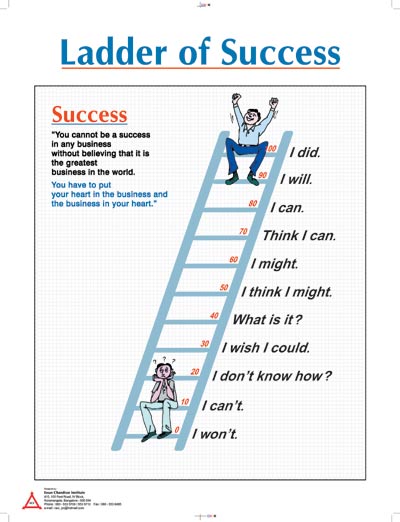
Monday, October 17, 2005
10 Steps To Better Decision Making
1. Making a difficult choice can seem harrowing when you feel you're working alone. Involve others in your decision making by asking for criticism and seeking advice from those who can approach the choice from a fresh perspective. Listen to opinions that fall on both sides of the topic at hand. You may also want to consult an expert.
2. Learn from your mistakes as well as your triumphs. Examine decisions you have made in the past as they will teach you more than you will learn from most other sources. Though some decisions will not seem important, all decisions shape our lives and should be regarded as educational. Apply that knowledge to your current dilemma.
3. A good decision acted upon in a timely matter is always better than a great one acted upon too late. It is important to recognize that you will never know enough to make the perfect decision. Don't become paralyzed by your need to foresee all possible outcomes to every possible choice.
4. Involve your head and your heart. Ask both practical questions and personal questions about the problem at hand. Considering the facts as well as your feelings (and the feelings of others) when examining your options will ensure that you make a balanced decision.
5. Before anything else, focus on the most basic, necessary results. Often, a decision maker will get bogged down thinking about the non-essential elements of a decision. Avoid considering extraneous factors and far-fetched perfect outcomes. Ask yourself, "What needs to be done?"
6. Consider the entire range of possibilities, no matter how unlikely. When faced with a complex decision, brainstorm by yourself or with others to find as many of the vital elements as possible. Evaluate those elements as they relate to the choice you must make.
7. It was a wise person who noted that, "you can't please all of the people all of the time." Almost all decisions will involve some dissatisfaction or conflict. Some decisions may even create new problems. Once you have made a decision, stand by it. Keep in mind that you have used your best judgment and it was the best choice at the time.
8. Don't waste time on poor choices. Reject poor choices, even if you've begun to implement them, and stop doing the things that aren't working, so you can focus on the solutions that have strong potential.
9. Consult with the people who will be directly affected by your decision. People appreciate being heard and enjoy when their opinions are seen as valuable. Even making a simple choice can have a profound impact on those around you.
10. It is easy to dismiss your intuition, but in doing so, you may be disregarding valuable insight and even solutions. Ask yourself what choices you would make if you weren't afraid and then see what your subconscious offers as an answer. Try to ignore the fear of error when consulting your "gut."
2. Learn from your mistakes as well as your triumphs. Examine decisions you have made in the past as they will teach you more than you will learn from most other sources. Though some decisions will not seem important, all decisions shape our lives and should be regarded as educational. Apply that knowledge to your current dilemma.
3. A good decision acted upon in a timely matter is always better than a great one acted upon too late. It is important to recognize that you will never know enough to make the perfect decision. Don't become paralyzed by your need to foresee all possible outcomes to every possible choice.
4. Involve your head and your heart. Ask both practical questions and personal questions about the problem at hand. Considering the facts as well as your feelings (and the feelings of others) when examining your options will ensure that you make a balanced decision.
5. Before anything else, focus on the most basic, necessary results. Often, a decision maker will get bogged down thinking about the non-essential elements of a decision. Avoid considering extraneous factors and far-fetched perfect outcomes. Ask yourself, "What needs to be done?"
6. Consider the entire range of possibilities, no matter how unlikely. When faced with a complex decision, brainstorm by yourself or with others to find as many of the vital elements as possible. Evaluate those elements as they relate to the choice you must make.
7. It was a wise person who noted that, "you can't please all of the people all of the time." Almost all decisions will involve some dissatisfaction or conflict. Some decisions may even create new problems. Once you have made a decision, stand by it. Keep in mind that you have used your best judgment and it was the best choice at the time.
8. Don't waste time on poor choices. Reject poor choices, even if you've begun to implement them, and stop doing the things that aren't working, so you can focus on the solutions that have strong potential.
9. Consult with the people who will be directly affected by your decision. People appreciate being heard and enjoy when their opinions are seen as valuable. Even making a simple choice can have a profound impact on those around you.
10. It is easy to dismiss your intuition, but in doing so, you may be disregarding valuable insight and even solutions. Ask yourself what choices you would make if you weren't afraid and then see what your subconscious offers as an answer. Try to ignore the fear of error when consulting your "gut."
Subscribe to:
Posts (Atom)